

How I helped a print-dependent equipment manufacturer organize technical content, product education, distributor access, and sales pathways around one scalable website.

- Engagement
- Robertson Studio contract
- Industry
- B2B equipment manufacturing
- Scope
- Brand, UX, content & web
- Platform role
- Education, connection & conversion
Executive Summary
The knowledge existed. The digital system did not.
When KTI Hydraulics engaged Robertson Studio, the company had deep product knowledge, hundreds of printed materials, and only a one-page contact website.
Product catalogs, technical manuals, repair documents, application guides, trade-show materials, and sales information already existed—primarily as print pieces and their corresponding digital files. The commercial opportunity was to bring that knowledge together and make the website the central destination for customers, dealers, technicians, and sales prospects.
I developed the brand and digital strategy, information architecture, visual interface, content structure, and website experience. The objective was not simply to put catalogs online. It was to turn technical information into a usable B2B manufacturing platform that could educate customers, guide product discovery, and connect each visitor with the right person.
The website became the place where product knowledge could turn into a business conversation.
The Starting Condition
A capable manufacturer with a fragmented customer experience
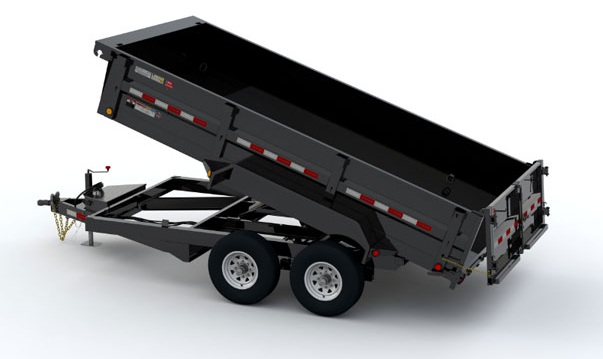
KTI manufactures hydraulic power units and related components used across industrial, mobile, agricultural, accessibility, automotive, and material-handling applications. The products may operate behind the scenes, but they power equipment that customers immediately recognize: dump trailers, vehicle lifts, dock levelers, snow plows, scissor lifts, log splitters, and wheelchair lifts.
Before the engagement, much of the company’s customer education lived in individual printed pieces. Those materials were useful once someone had them, but they did not create one discoverable path into the business. A prospect arriving through a trade show, catalog, salesperson, email, or early social-media post could not move easily from application to product information, technical support, a distributor, or the correct internal contact.
The problem was not a lack of information. It was the absence of a digital structure connecting that information to customer intent.


The Operator Question
How do we make technical knowledge easier to use—and easier to act on?
A successful manufacturing website has to do more than describe a company. It must accommodate different users arriving with different levels of knowledge and different jobs to complete.
- A buyer may begin with an equipment application and need help identifying the right power unit.
- A dealer may need current product information or a dependable company contact.
- A technician may need installation instructions, schematics, troubleshooting, or repair documentation.
- An existing customer may need service, warranty, or replacement-part guidance.
- A prospect may need to locate an authorized distributor or connect directly with sales.
The website needed to recognize these paths without asking visitors to understand KTI’s internal organization first.
The Strategy
Make every channel lead to one useful destination
I planned KTIHydraulics.com as the center of the company’s customer-facing ecosystem. Printed catalogs, trade-show collateral, email, LinkedIn, sales outreach, technical documents, and future digital activity would all direct people back to the same platform.
Once there, visitors could move into the pathway that matched their need: learn about the company, explore products, understand applications, access technical support, find a distributor, or contact sales and service.
Attract
Use print, trade shows, email, social content, sales activity, and search to direct audiences toward the website.
Orient
Help visitors recognize the relevant product category, equipment application, or support need quickly.
Educate
Translate specifications, diagrams, catalogs, manuals, and product knowledge into accessible digital content.
Connect
Route qualified visitors to the appropriate salesperson, technical specialist, service contact, or certified distributor.
Information Architecture & UX
Design around decisions, not departments
Hydraulic systems can be difficult to understand without technical experience. The interface therefore had to create confidence without oversimplifying the products. I organized the website around the actions customers were most likely to take, using direct language, recognizable applications, clear product groupings, and visible routes to human help.
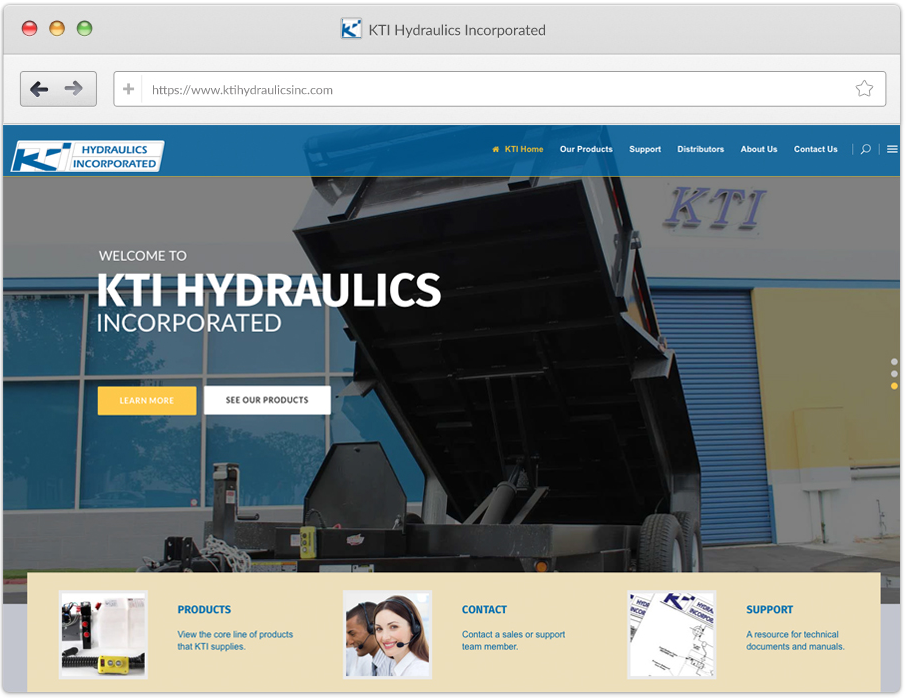
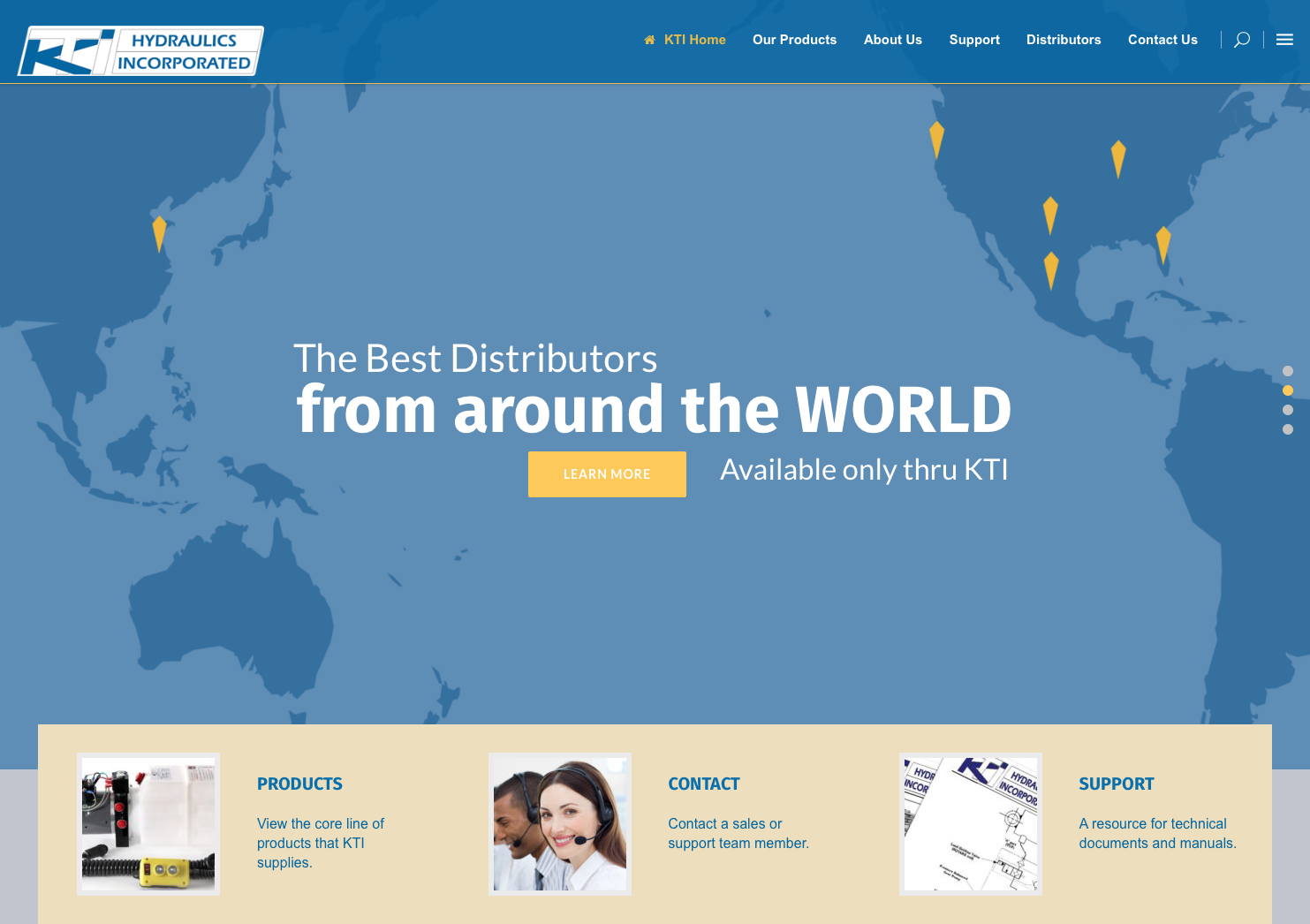
The early website established primary pathways for products, technical support, distributors, company information, and contact. This structure made the existing PDF catalog and manual library immediately more accessible while creating room for the content to become more interactive over time.
The visual system also gave KTI a more coherent digital identity. Product imagery, application photography, technical diagrams, specifications, and customer-service content could now appear as parts of one brand rather than disconnected documents.
Technical Content Design
Make dry information useful without removing the detail
Technical buyers do not need marketing language in place of specifications. They need the specifications presented in a way that helps them evaluate fit.
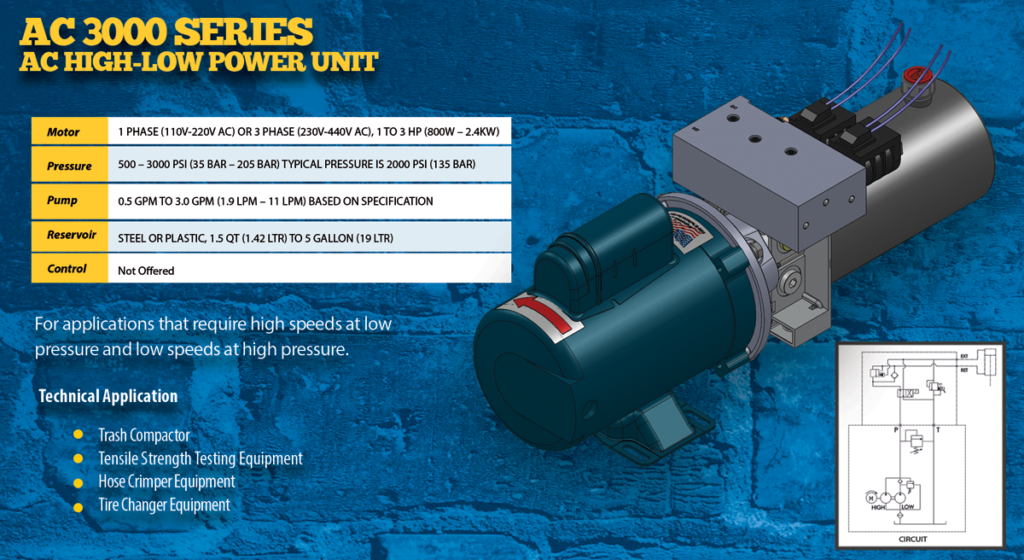
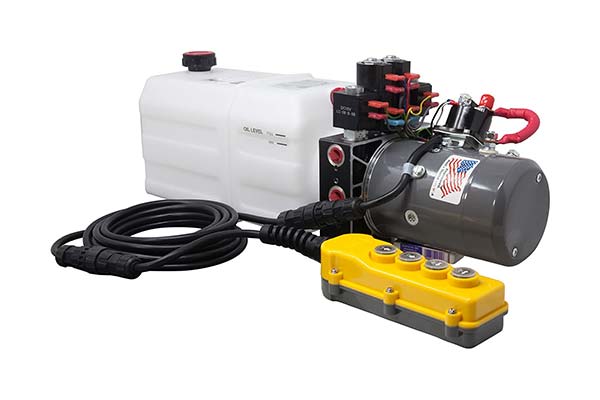
The product-education system combined rendered product views, operating descriptions, motor and pressure information, pump and reservoir specifications, control options, hydraulic schematics, and example applications. This allowed a customer to move from “What kind of equipment am I working with?” toward “Which configuration should I discuss with KTI?”
That distinction mattered. The website did not need to replace the expertise of a salesperson or engineer. It needed to help customers arrive at those conversations better informed.
Application-Led Storytelling
Show the equipment before asking customers to decode the component
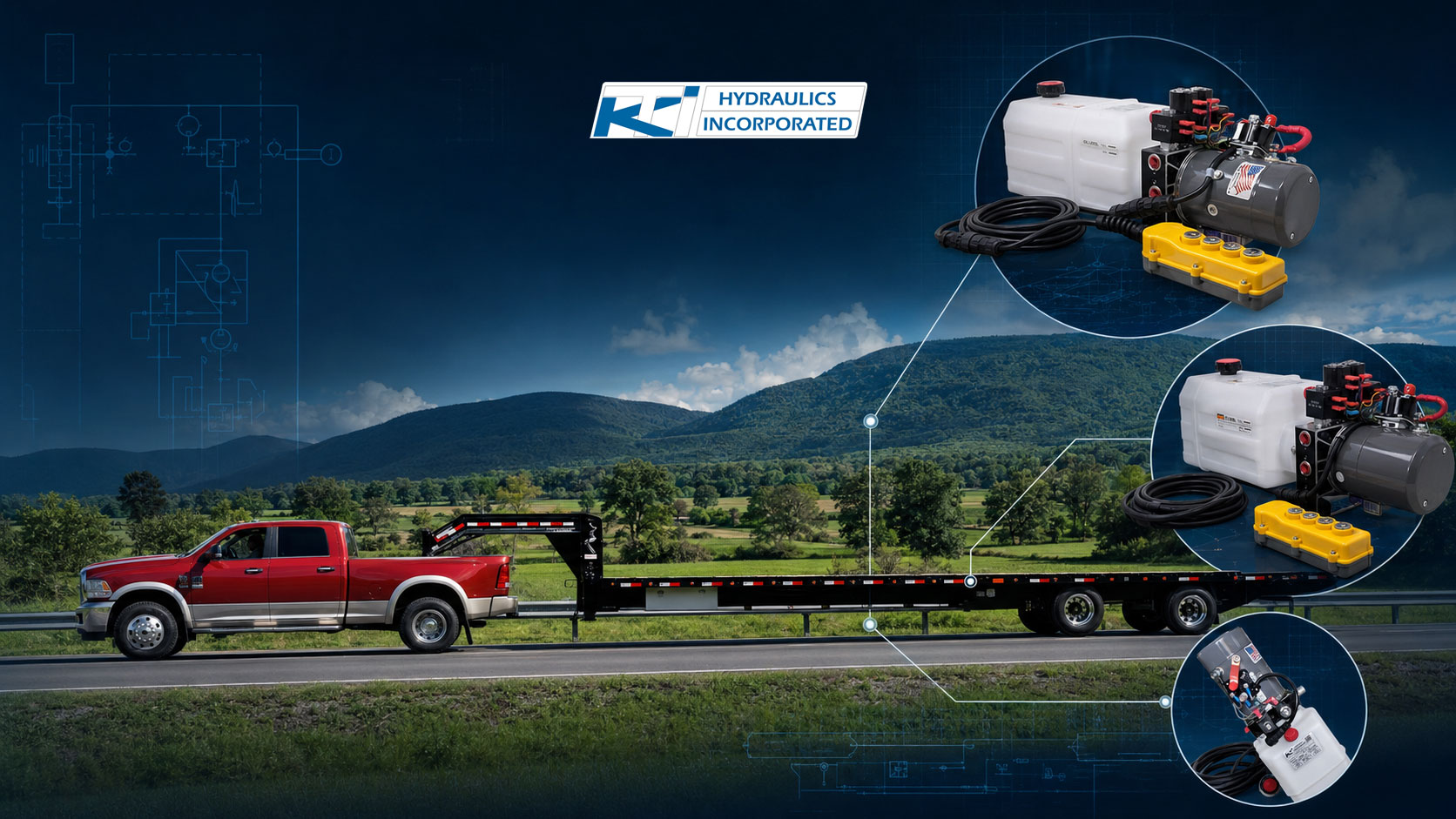
One of the most useful creative decisions was to connect hydraulic power units to the equipment they help operate. A component may appear abstract in isolation, but a raised trailer, vehicle lift, dock leveler, or accessibility system makes its function immediate.
Application-led content created an approachable entrance for customers who knew the job they needed to perform but did not yet know the KTI product terminology. From there, the website could introduce the appropriate technical information and direct the visitor toward sales or support.
-
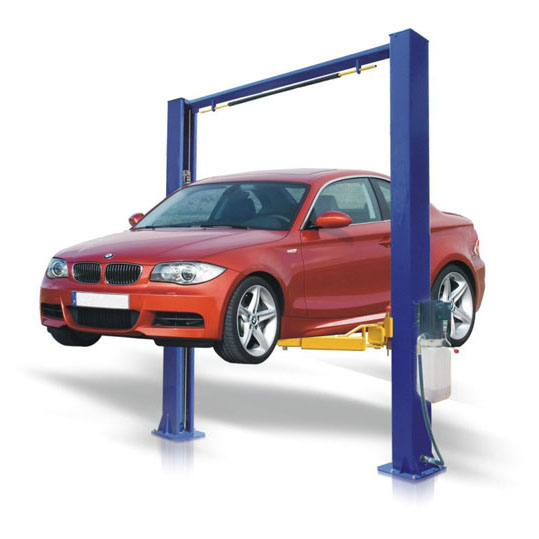
Automotive lift application. -
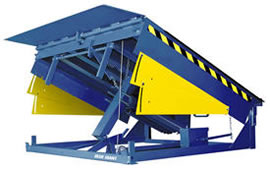
Dock and material-handling applications extended the story beyond trailers and mobile equipment. -
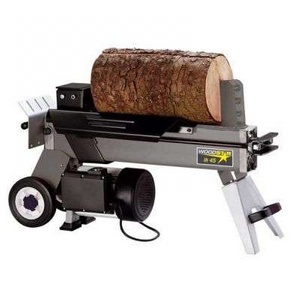
The same application-led structure could explain products used in smaller consumer and commercial equipment.
Showing application 1 of 3: Automotive lift application.
The Commercial System
Education, connection, and commerce in one platform
The resulting website became more than a digital brochure. It created connected routes among brand credibility, product education, technical support, distributor discovery, and direct contact with the company.
That structure also made KTI’s other marketing activity more useful. A catalog page, trade-show conversation, email, LinkedIn post, or salesperson could point toward a durable online resource instead of carrying the entire explanation alone.
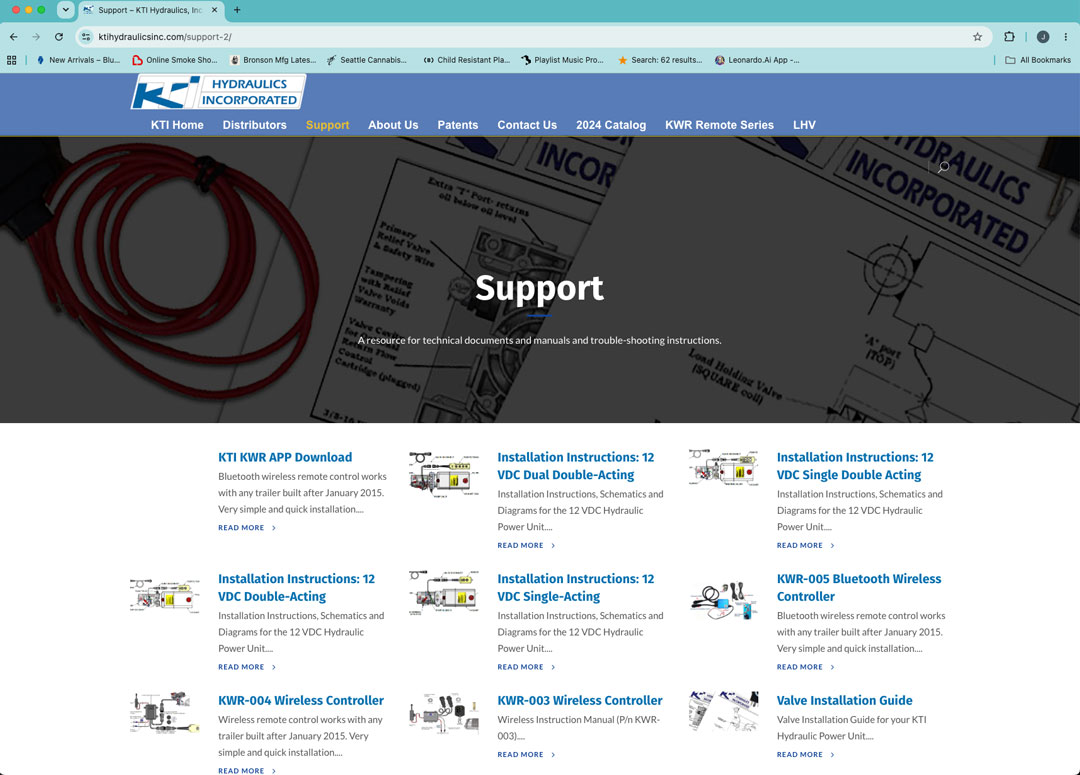
The platform has continued to evolve since my contract engagement. KTI now presents updated catalogs, installation instructions, troubleshooting information, certified distributors, product resources, and newer interactive tools through the same central website. Those later developments belong to the teams that continued the work; their relevance to this story is that the original digital logic proved capable of supporting further growth.
Commercial Outcomes
A foundation the business could continue building on
- Replaced a one-page contact presence with a structured B2B manufacturing website.
- Centralized product catalogs, technical documents, support resources, distributor access, and contact pathways.
- Connected print, trade shows, email, social activity, and sales outreach to one digital destination.
- Made hydraulic power-unit information easier to understand through application imagery, specifications, diagrams, and consistent visual hierarchy.
- Created distinct customer journeys for buyers, dealers, technicians, existing customers, and sales prospects.
- Established a scalable platform structure that later teams could expand with updated catalogs, support content, and interactive resources.
Transferable Commercial Principle
Organize expertise around the decisions customers need to make
Many established businesses already possess valuable intellectual property. It may be trapped in catalogs, manuals, presentations, salespeople, service departments, or disconnected files. A digital transformation does not have to begin by replacing all of it.
It can begin by identifying what customers are trying to accomplish, organizing existing knowledge around those decisions, and connecting every channel to one place where learning can become action.
This principle transfers well beyond hydraulic equipment. It applies to manufacturers, distributors, construction companies, professional services, healthcare organizations, and any business whose expertise has grown faster than the systems used to deliver it.
Do not digitize the filing cabinet. Build a pathway through the knowledge.
Capabilities Demonstrated
The work behind the platform
- B2B manufacturing brand strategy
- Digital transformation planning
- Website strategy and information architecture
- User experience and interface design
- Technical content design and product education
- Application-led product storytelling
- Sales, support, and distributor enablement
- Print-to-digital channel integration
- Scalable content and platform systems
Robertson Studio
Is valuable knowledge getting lost between your business and your customer?
I help organizations clarify complex offerings, organize their expertise, and build digital systems that connect education to commercial action.
Start a conversation