

Tether / Partner Marketing
A placement is not a program
Retailers often give brands plenty of places to appear without creating a connected path to customer action.
A menu banner. An email. A display. A sponsored event. A product-training session.
Each placement may be useful on its own. But when they are sold and operated separately, the brand receives fragments rather than a commercial system. The customer encounters repetition without progression, and the store team may never understand how the pieces are supposed to work together.
The question is not how many placements a brand can buy.
It is whether those placements help someone discover the product, understand it, find it and make a more confident decision.
Visibility becomes more valuable when it creates a path to action.
The Commercial System
Make each channel help the next one work harder
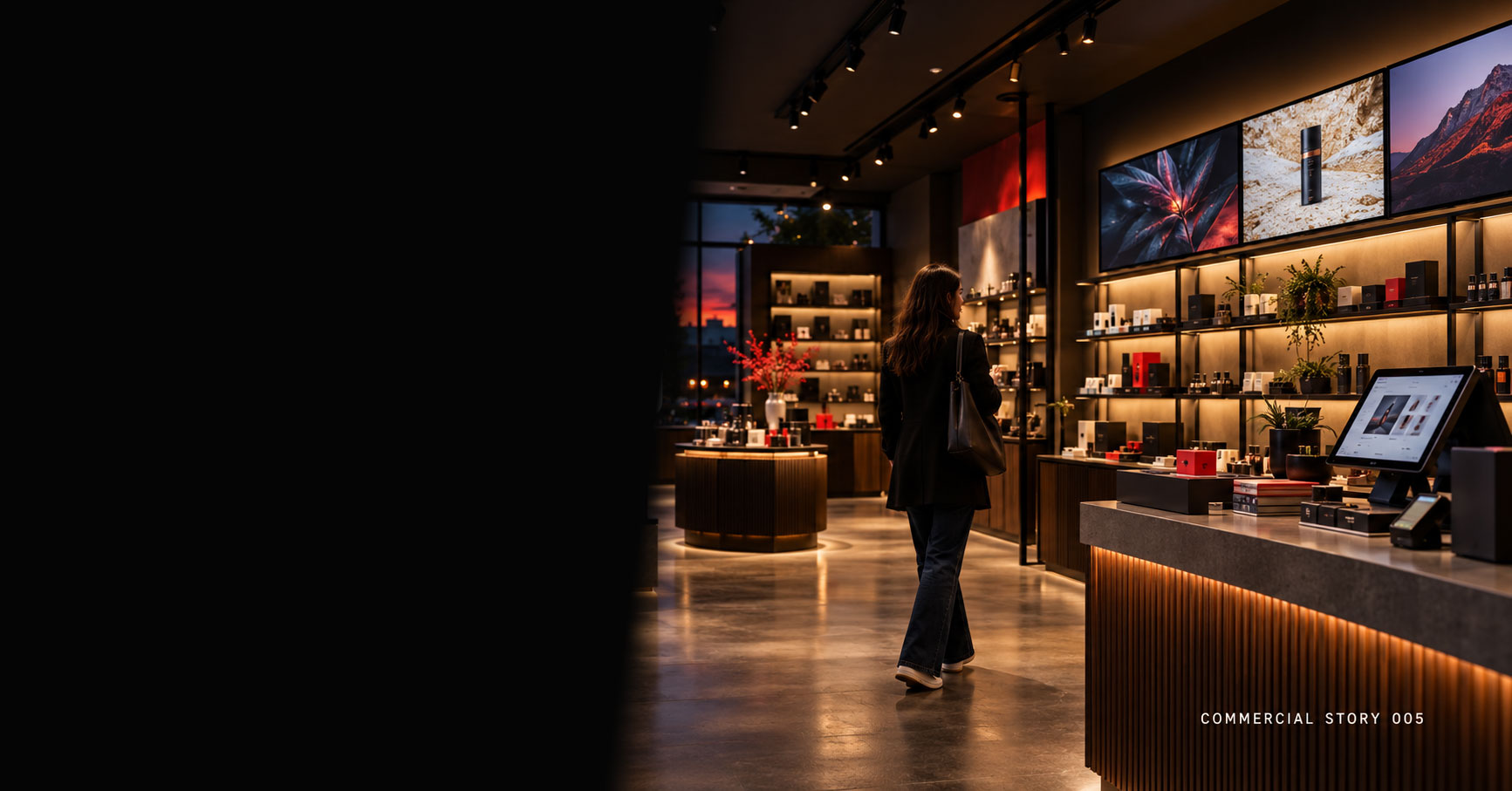
A customer might first hear about a product inside the store. A screen can make that message visible. The menu can make the product findable. Physical merchandising can give it a destination. An informed salesperson can provide context. Email can continue the relationship after the visit.
Those are not separate campaigns. They are different jobs inside the same customer journey.
The same principle applies on the business side. Partner participation becomes more valuable when it is connected to product availability, purchasing commitment, store-team education, merchandising execution and continued support for sell-through.
That changes the conversation between the brand and the retailer. The brand is no longer simply renting exposure. Both sides are participating in a defined commercial program.
Awareness → recognition → discovery → conversation → return
The Buyer Question
What is the brand actually buying?
If the answer is a list of media placements, the program may still be incomplete.
A stronger answer explains how the retailer will connect the product to the customer journey, how store teams will support it, how each channel will reinforce the others and what both parties are committing to during the campaign.
This matters anywhere brands depend on someone else to represent and sell their products: specialty retail, grocery, hospitality, dealer networks, distributor systems and third-party marketplaces.
The channels will vary. The commercial problem remains the same.
Are brands buying a commercial program—or renting disconnected placements?
Commercial Story 005
See how one retail network connected the placements
The full story shows how audio, digital screens, ecommerce, physical merchandising, email and store-team education were organized into one multichannel Partner Marketing Program.
Read Commercial Story 005